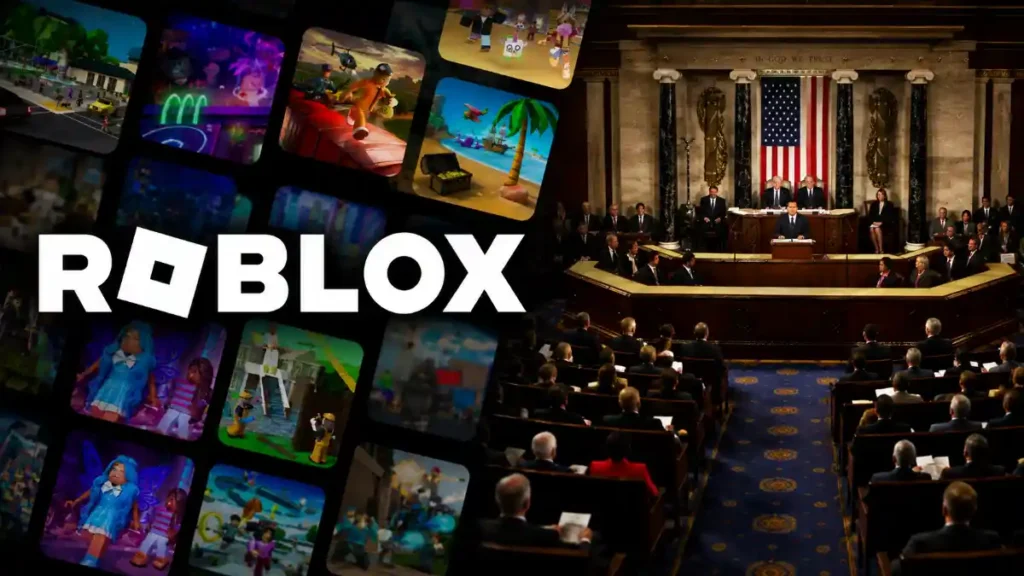
The U.S. Senate has launched a formal investigation into Roblox child safety, putting one of the world’s most popular gaming platforms under intense scrutiny. Senators Josh Hawley of Missouri and Dick Durbin of Illinois are leading the effort through the Senate Judiciary Subcommittee on Crime and Counterterrorism. Their focus is clear: how Roblox handles explicit content and the real-world harm that can follow when safeguards fall short.
For millions of kids and teens, Roblox is more than a game. It is a creative space where they build worlds, play with friends, and spend hours exploring. That popularity makes the current probe especially important. When a platform this large faces questions about protecting its youngest users, the entire gaming community pays attention.
What the Senate Investigation Covers
The senators are examining a range of serious issues on the platform. These include the presence of explicit content, grooming behavior, sexual exploitation, bullying, and the financial exploitation of minors. Their letter to the company outlines troubling claims about how Roblox is allegedly being misused.
According to the senators, the platform has been used to trade child sexual abuse material, host sexually explicit virtual experiences that involve children, pressure kids into creating explicit content, and draw them into offline meetings. Those meetings, the letter states, have in some cases led to grooming, abuse, kidnapping, rape, and even murder. Hawley and Durbin argue that Roblox appears to put revenue and engagement numbers ahead of the safety and well-being of children. That claim sits at the center of the congressional scrutiny.
This is not a casual inquiry. The Senate has ordered Roblox to preserve and hand over documents related to child safety, sexual or physical abuse, bullying, and financial exploitation of minors. The company must respond by August 31, 2026.
The Numbers That Sparked Concern
One statistic stands out in the senators’ letter. In 2025, Roblox reported 65,381 instances of suspected child sexual exploitation to the National Center for Missing & Exploited Children. That figure more than doubled the number from the previous year. Senate Judiciary Chair Chuck Grassley has also pointed to problems with how some of those reports were handled, including failures to properly identify child victims in chat-related cases and inconsistent reporting of certain forms of online exploitation.
These numbers matter because they come from the company itself. Platforms are required to report suspected child sexual exploitation when they find it. A sharp rise in reports can signal either better detection or a growing problem—or both. Lawmakers want clearer answers about which explanation applies to Roblox and what the company is doing in response.
Growing Legal and Regulatory Pressure
The Senate probe does not exist in isolation. It arrives on top of a wave of other actions against the company. Nearly 80 federal lawsuits claiming that Roblox knowingly facilitated child sexual exploitation have been centralized in San Francisco. A coalition of child-safety and consumer groups asked the Federal Trade Commission in June 2026 to investigate the platform over grooming, exploitation, and design features they describe as manipulative. Several states, including Kentucky and Louisiana, have filed complaints or lawsuits alleging systemic failures in protecting young users.
Outside the United States, the picture is similar. UK police data has shown a sharp increase in incidents linked to Roblox, with a large share involving sexual communications with minors. Parents and advocacy groups have grown more vocal, warning that the platform’s open creative tools and social features can be turned against children when moderation and age-related protections are not strong enough.
For a gaming company whose entire business depends on young players and the trust of their parents, this combination of congressional attention, lawsuits, and public pressure creates real risk. Reputational damage can affect user growth, advertising partnerships, and investor confidence. More importantly, it can shake the confidence of families who have treated Roblox as a relatively safe creative outlet.
What This Means for the Gaming Industry
Roblox is not the only platform facing hard questions about child safety. Tech and gaming companies across the board are under increasing pressure to prove that engagement and safety can coexist. The Senate’s focus on Roblox highlights a broader tension: platforms that thrive on user-generated content and social interaction also create opportunities for predators if safeguards lag behind.
Strong moderation, better age verification, clearer reporting tools, and faster responses to harmful content are no longer optional extras. They are becoming baseline expectations. Companies that treat safety as a secondary concern risk legislative mandates, costly litigation, and loss of user trust. Those that invest early and transparently may find themselves better positioned as the regulatory environment tightens.
Players and parents also have a role. Understanding the privacy and safety settings available on Roblox, talking openly about online risks, and reporting suspicious behavior remain practical steps while the larger investigation unfolds. The platform has tools for restricting communication, limiting who can contact a child, and filtering content. Using those tools carefully is one of the most immediate ways families can reduce exposure while lawmakers and the company sort out longer-term solutions.
Looking Ahead
The Senate investigation into Roblox child safety is still in its early stages. Roblox has until the end of August 2026 to produce the requested documents and respond to the senators’ questions. What those responses reveal—and how the company follows up—will shape the next chapter of this story.
For the gaming community, the stakes are high. Roblox has given an entire generation of players a place to create, collaborate, and play. Protecting that space means taking the current concerns seriously. The senators’ probe, the rising number of reports to NCMEC, the wave of lawsuits, and the growing public attention all point to the same conclusion: child safety on major platforms is no longer a side issue. It is central to the future of online gaming.
As more details emerge from the investigation, parents, players, and the industry will be watching closely. The hope is that clearer accountability and stronger protections will follow—so that the creative energy that makes Roblox special can continue without putting the youngest users at unnecessary risk.