Xbox is looking at ways to keep physical game libraries playable on its next-gen console, known as Project Helix. The company does not appear locked into putting a disc drive inside every new machine. Instead, reports point to external options and a conversion system that could let players carry their collections forward. This matters for anyone who has spent years building a shelf of Xbox games and does not want those discs to become useless paperweights.
The conversation around physical media on the next Xbox has shifted. Microsoft seems more focused on making sure games still work than on protecting traditional retail disc sales. That distinction shapes the solutions under discussion and could set Xbox apart from the competition in the coming generation.
External Disc Drive as a Practical Path Forward
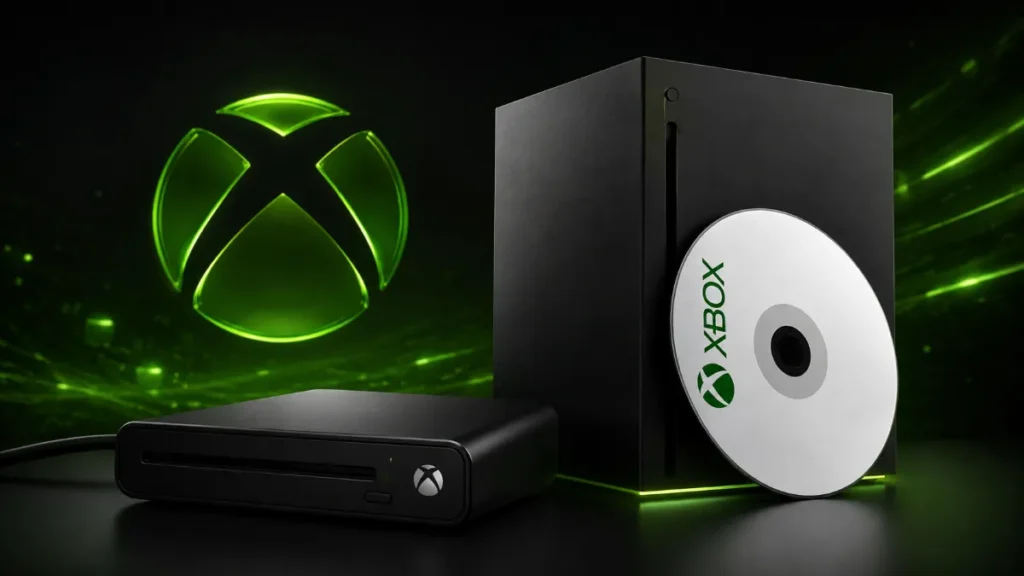
John Linneman of Digital Foundry has noted that Microsoft has explored an external disc drive for the next Xbox. This accessory would plug into the console and let players insert their existing discs even if the main hardware ships without an internal optical drive. The approach keeps the console itself smaller, quieter, or cheaper to manufacture while still giving physical owners a path to play what they already own.
An external drive solution is not new in consumer electronics, but tying it clearly to library preservation changes the framing. Players who prefer physical media could buy the add-on when they need it rather than paying for a drive they never use. Those who have already moved fully digital would simply skip the accessory. The key point is that the option remains available rather than disappearing overnight.
Library Preservation Over Retail Disc Sales
Microsoft’s interest in disc support does not appear driven by a desire to keep physical retail sales strong. Linneman has stressed that the real goal is ensuring every existing Xbox game stays playable on future hardware. Players who invested hundreds or thousands of dollars in discs over the years would not suddenly lose access when they upgrade consoles.
This focus on preservation rather than sales volume is important. Many gamers still value the physical copy as proof of ownership, as a collectible, or as a reliable offline backup. By treating disc support as a continuity tool instead of a business model, Xbox can address those concerns without forcing every new console to include a drive that fewer people use each year.
Disc-to-Digital Conversion Feature Under Internal Testing
Microsoft is reportedly testing a disc-to-digital conversion feature. The system would let owners of Xbox One and Series X|S discs convert those physical games into digital licenses attached to their Microsoft account. Once converted, the player could keep playing the game digitally even after selling or giving away the disc.
This feature would not cover older Xbox 360 or original Xbox discs. Support is limited to the more recent generations that already share a large degree of compatibility with current hardware. The ability to sell the physical copy afterward while retaining digital access could appeal to collectors who want to thin their shelves without losing the games themselves.
If the program launches as described, it would create a clear bridge between physical ownership and the digital ecosystem. Players could decide game by game whether to keep the disc, convert it, or do both for a period of time. That flexibility is rare in an industry that has mostly pushed consumers toward pure digital purchases.
Uncertainty After Leadership Changes
Earlier reports suggested Microsoft was firmly committed to continuing disc support in some form. Recent leadership changes under new CEO Asha Sharma have introduced uncertainty. The company’s broader “reset” raises the question of whether those earlier plans remain fully intact or whether priorities have shifted again.
Nothing concrete has confirmed a complete reversal. At the same time, nothing has locked in the external drive or disc-to-digital feature as guaranteed at launch. The situation remains fluid, and further details will likely surface as the hardware moves closer to public presentation.
Expected Timeline and Pricing Context
Current expectations place a full reveal of Project Helix in November 2026, with a launch window in November 2027. Estimated starting prices sit around the $800 range. At that price point, every design decision, including the presence or absence of a disc drive, will face close scrutiny from players watching their budgets.
An optional external drive would allow Microsoft to keep the base console price from climbing even higher while still offering a path for physical media owners. The disc-to-digital program could further reduce pressure on the hardware itself by giving players a software-based way to preserve their libraries.
How This Positions Xbox Against Sony
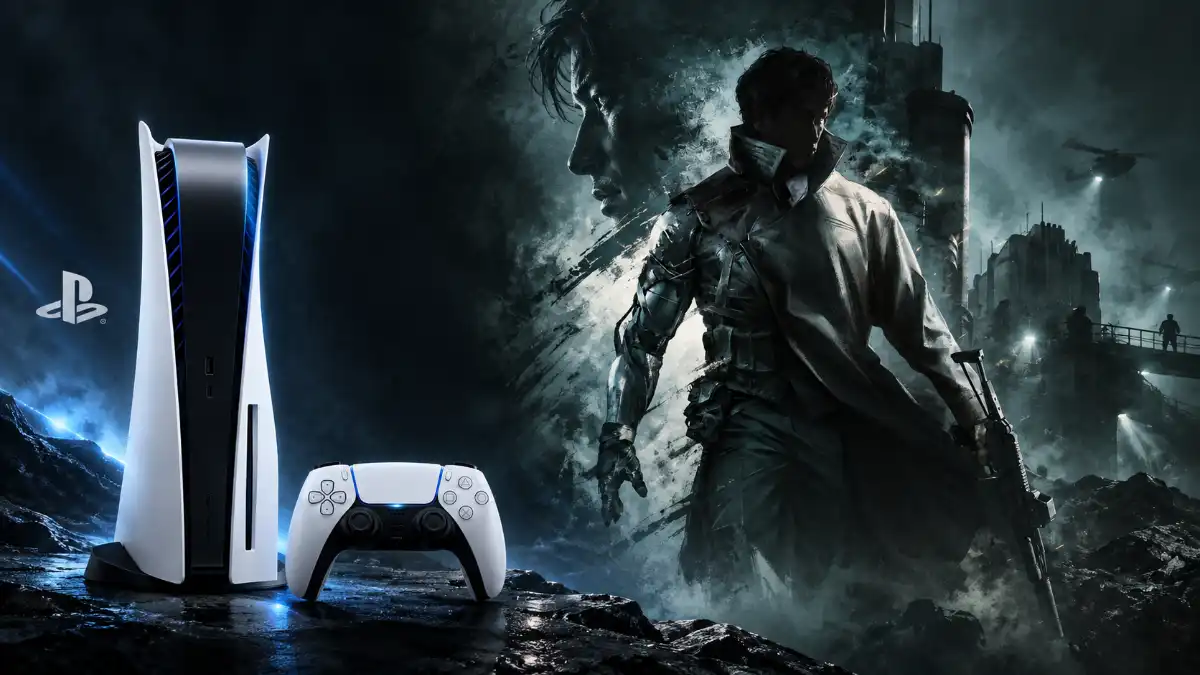
Sony has reportedly signaled plans to drop disc support entirely starting in 2028. If those reports hold and Xbox follows through on external drive or conversion options, the two platforms would take noticeably different approaches to physical media. Xbox would still give players a way to use the discs they already own. Sony’s path would move more completely toward digital-only ownership for new hardware.
That difference could matter to a segment of the audience that still prefers physical games or simply wants the reassurance that their existing collection will not be stranded. It also gives Xbox a clear talking point when discussing continuity and player investment across generations.
What Players Should Watch Next
The most useful next steps for interested gamers are simple. Follow official channels and reliable reporting for confirmation of the external drive plans and any formal announcement of a disc-to-digital program. Watch for details on compatibility, conversion limits, and whether the process will be free or involve any additional cost. Pricing and availability of any external optical drive will also shape how practical the solution feels for most people.
Until those details firm up, the current picture is one of possibility rather than guarantee. Microsoft has explored ways to keep physical libraries playable on Project Helix without requiring a built-in disc drive in every console. An external accessory and a conversion feature that turns Xbox One and Series discs into digital licenses form the core of that exploration. Leadership changes have left some uncertainty, but the underlying interest in library preservation remains a notable part of the conversation.
Xbox Project Helix physical games support, if delivered in the form currently discussed, would give players more options than a pure digital future. It would not force every owner to keep a shelf of discs forever, nor would it abandon those who still value them. That middle path is what makes the reports worth following as the next generation of Xbox hardware takes shape.