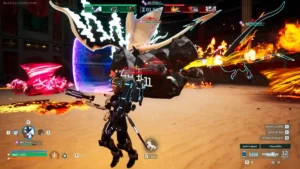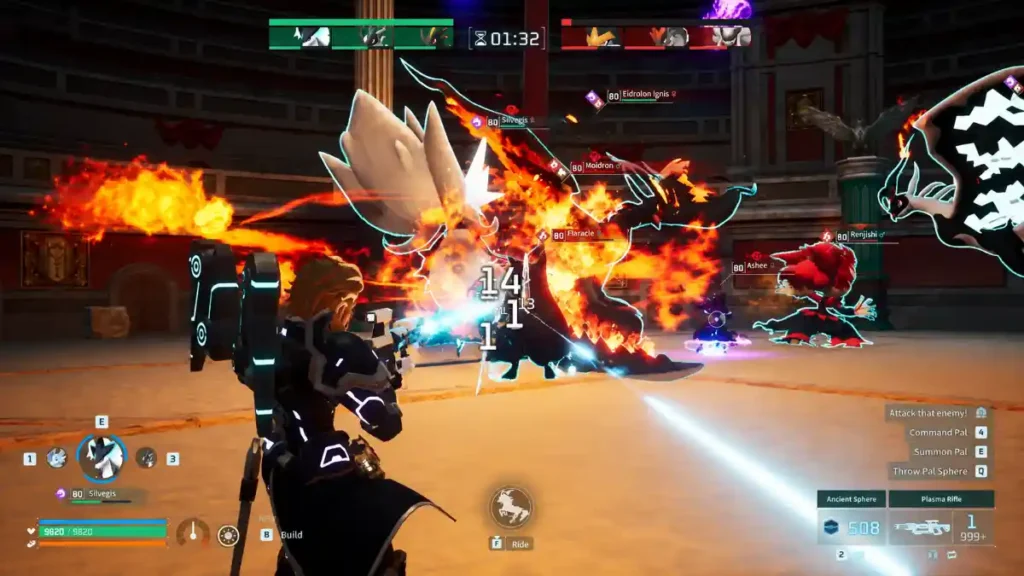
Palworld’s Arena mode changes how you should think about team-building. Elemental advantages can help, but opponents are random, so a flexible team with good synergy is usually more reliable than trying to counter every possible type. This Palworld Arena guide explains why a durable main Pal, trainer-focused commands, and the right Partner Skill can make your matches far easier. It also covers when to use Orserk or Silvegis, how Eidrolon fits into a damage-focused lineup, and what gear resources are safe to spend in Arena.
Palworld Arena Guide: Best Team Strategy
Key Takeaways
- Build your main Pal for survival, because it is often the most important part of your Arena setup.
- Order your Pals to attack the enemy trainer early; knocking out the trainer is one way to win the match.
- Only the first Pal selected becomes your main Pal and has its Partner Skill available in Arena.
- Orserk offers offensive support, while Silvegis can protect a vulnerable trainer-focused team with stronger shield durability.
Arena is not only a battle between six Pals. Each team also has a trainer, and the match can end if either trainer is knocked out. That creates a different priority from normal overworld combat: instead of always trying to defeat three enemy Pals first, you can pressure the enemy trainer directly and end the fight much faster.
How Palworld Arena Matches Work
In Palworld Arena, you choose three Pals to fight alongside your character. The first Pal you select becomes the main Pal, while the other two become sub Pals.
Your main Pal matters more than the rest of the lineup because its Partner Skill is the one that can be used during the match. The two sub Pals still fight, deal damage, use their moves, and contribute to the team, but they do not provide the same active Partner Skill value.
Arena matches have two main victory conditions:
- Knock out the opposing trainer.
- Defeat all three of the opposing team’s Pals.
This makes trainer pressure one of the strongest strategies available. If your Pals spend the entire match trading attacks with bulky enemy Pals, the fight can take much longer. If they quickly reach the opposing trainer, you only need to defeat one target to secure the win. Arena guides and community testing consistently identify the first selected Pal as the main Pal, with its Partner Skill serving as a major part of team selection.
Why Your Main Pal Should Be Tanky
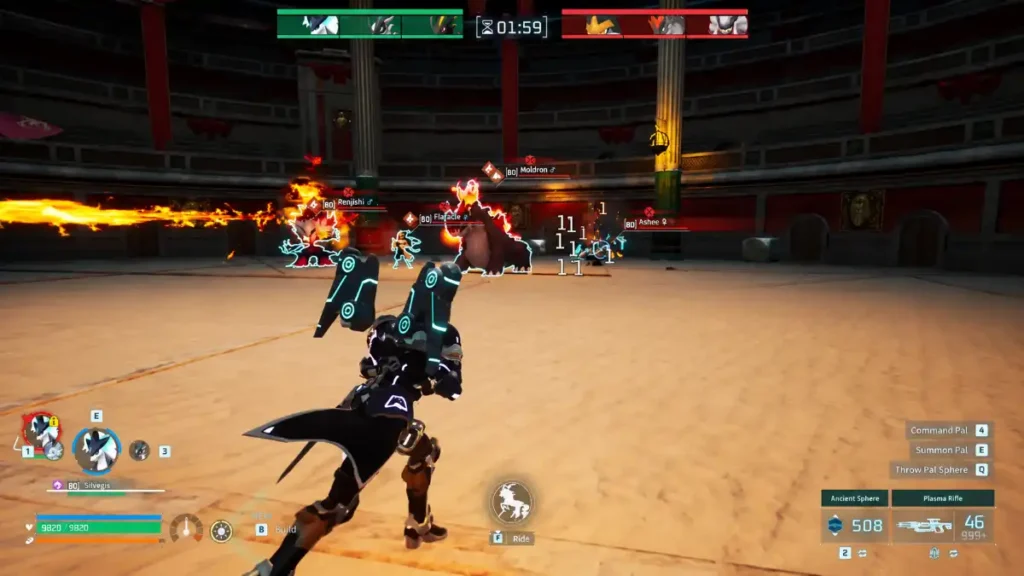
A strong Arena team should not always put its highest-damage Pal in the main slot. In many cases, a durable Pal is the safer choice.
The main Pal is central to your battle plan because it carries the active Partner Skill. If that Pal is eliminated too early, any skill that requires it to remain alive may stop contributing to the fight. A tanky lead gives your team more time to deal damage, distract opponents, and reach the enemy trainer.
A defensive main Pal also helps when the fight does not begin perfectly. Your Pals may target the wrong enemy, get separated, or lose a damage dealer early. A bulky lead can keep the match alive long enough for the rest of the team to recover control.
Silvegis as a defensive main Pal
Silvegis is one of the better defensive choices for a trainer-focused Arena team. Its Aegis Shield Partner Skill reduces damage taken by your shield and shortens the delay before shield regeneration begins. At higher Partner Skill levels, it can reduce shield damage substantially, making it harder for enemy players and Pals to quickly eliminate you.paldb+1
That makes Silvegis particularly valuable if your Arena strategy relies on surviving the opening clash while your damage Pals move into position.
A high-Defense Silvegis can also serve as an emergency stabilizer. Even if one or two offensive Pals are defeated, a well-built tank can hold enemy attention and prevent your trainer from being overwhelmed.
Related: Palworld Ancient Relic Recycler Guide: Build Cost, Uses, and Rewards
Focus the Enemy Trainer Early
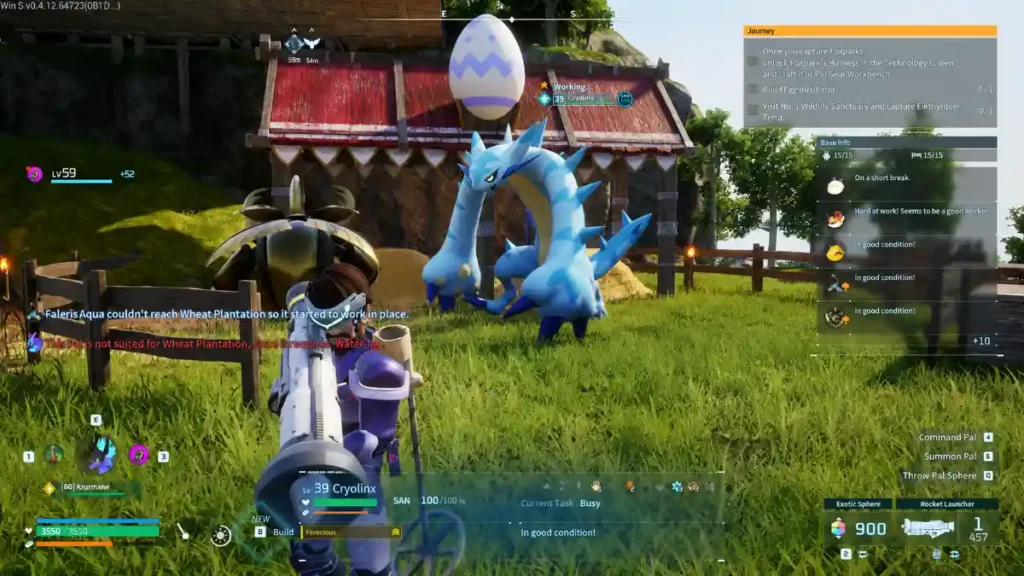
As soon as combat starts, command your Pals to attack the opposing trainer whenever the situation allows it.
This is usually more efficient than trying to defeat every Pal on the other team. A trainer knockout ends the match immediately, so a coordinated attack can bypass a long fight against bulky enemy Pals.
However, trainer targeting is not automatic victory. The opposing Pals can body-block, interrupt your attackers, or quickly pressure your own character. Your goal is not to ignore the enemy team completely. Instead, build a lineup that survives their pressure long enough to create a clear path to the trainer.
A simple Arena plan looks like this:
- Pick a durable main Pal with a valuable Partner Skill.
- Bring two Pals that can deal consistent damage.
- Start the fight and direct your Pals toward the enemy trainer.
- Keep moving, use cover where available, and protect your own shield.
- Switch focus only if an enemy Pal is preventing your team from reaching the trainer or threatening an immediate knockout.
Orserk vs. Silvegis in Arena
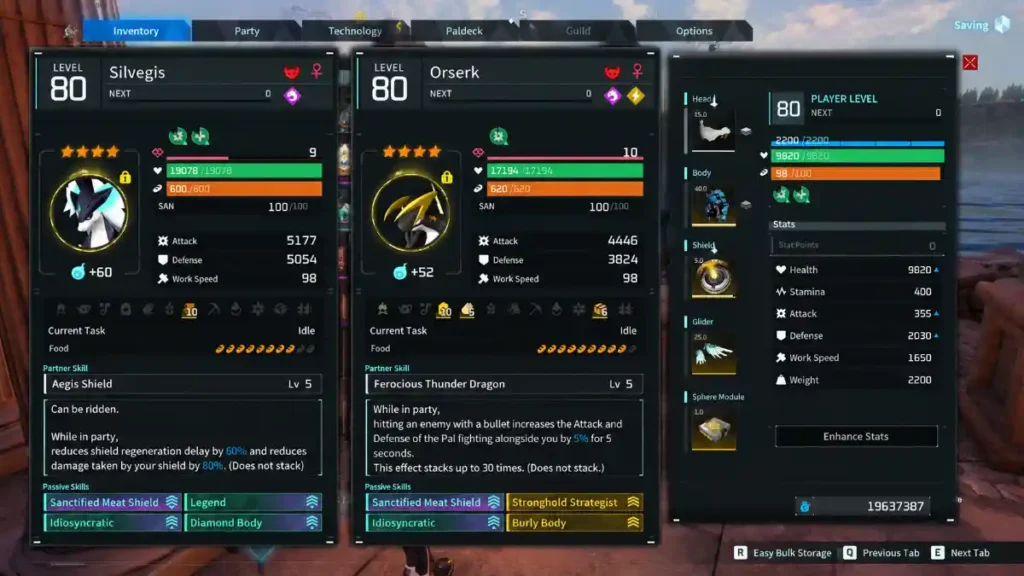
Orserk and Silvegis are both useful main-Pal options, but they support different approaches. Orserk is an aggressive team enabler, while Silvegis is more focused on keeping the trainer alive.
| Pal | Best role | Partner Skill value | Best for |
|---|---|---|---|
| Orserk | Offensive support | Bullet hits raise the Attack and Defense of the Pal fighting alongside you for a short time; the effect can stack | Players who can consistently maintain ranged pressure |
| Silvegis | Defensive lead | Reduces shield damage and improves shield regeneration timing | Players who want safer trainer survival and a more forgiving team |
| Eidrolon | Damage-focused sub Pal | Can benefit from Dragon and Dark team synergy | Teams built around sustained Pal damage |
Orserk’s Ferocious Thunder Dragon Partner Skill rewards you for actively hitting enemies with bullets. The buff increases the Attack and Defense of the Pal fighting alongside you and can stack repeatedly, up to 30 stacks. This can create extremely high offensive and defensive value if you can keep the effect rolling during combat.op+1
Silvegis is the more defensive option. Its shield-focused effect does not directly raise Pal damage, but it can reduce the risk of losing the match because your trainer is knocked out. For many players, that reliability is more useful than chasing the highest possible damage output.
The right choice depends on your team and your playstyle:
- Choose Orserk if you are comfortable shooting consistently and want to strengthen an already aggressive lineup.
- Choose Silvegis if you want stronger personal survivability, especially against teams that quickly target the trainer.
- Use Eidrolon as a damage source rather than assuming it must be the main Pal. A strong damage Pal can still do its job effectively as a sub Pal.
Build Around Synergy, Not Only Types
Elemental counters still matter in Palworld, but Arena opponents are not predictable enough to make counters your only plan. You may enter a match prepared for one matchup and face a completely different set of elements.
A balanced Arena lineup is more dependable when it includes:
- One resilient lead Pal with a useful Partner Skill.
- Two Pals that deal strong, reliable damage.
- Pals with moves that can hit moving targets or pressure the enemy trainer.
- A clear plan for protecting your own character.
- Equipment that supports sustained combat rather than only short bursts of damage.
For example, a Silvegis lead with two Eidrolon damage dealers can prioritize survival and sustained pressure. Silvegis helps protect the trainer’s shield, while the damage Pals focus on breaking through to the enemy trainer.
An Orserk-led team can take the opposite approach. You keep shooting to build and maintain its buff, then let your strongest damage Pals take advantage of the added Attack and Defense.
Use Your Best Gear in Arena
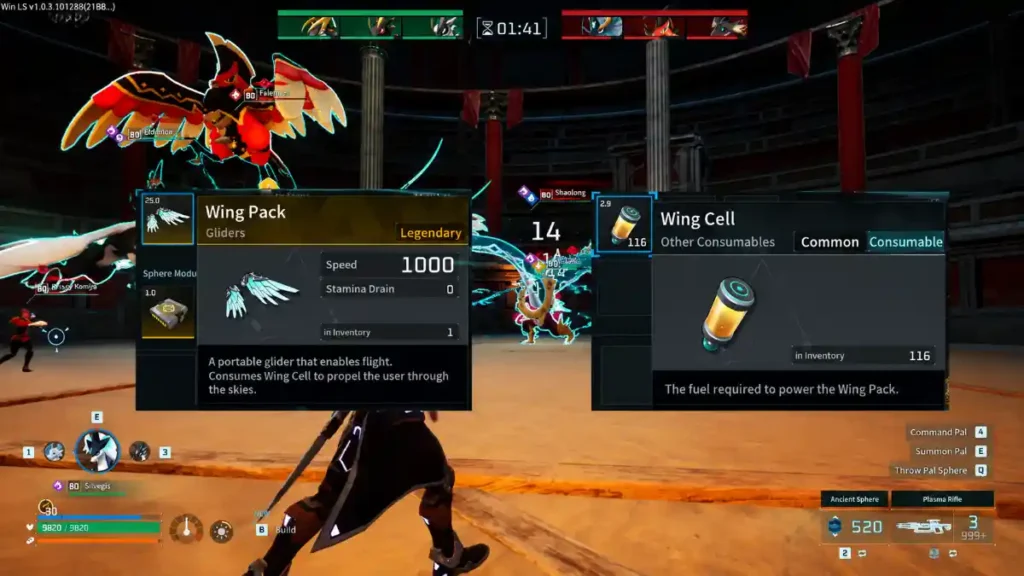
Do not hold back your best weapons and equipment simply because you are entering Arena.
Arena is designed to let players experiment. Ammo used during a match is refunded after the battle, and your equipment does not lose durability from Arena combat. That means you can bring stronger weapons, armor, and ammunition without permanently draining your usual supplies.
There is one important exception: Wing Cells used with the Wing Pack may not be refunded. This should be treated carefully, especially if Wing Cells are expensive or limited in your current save.
As of August 2026, Palworld version 1.0.3 is the current balance and quality-of-life update referenced by several patch-tracking sources. Before publishing any Arena loadout advice, confirm whether a newer update has changed Wing Pack resource refunds or Arena item behavior.
Passive and Active Partner Skills
Partner Skills are especially important in Arena because only the main Pal’s skill is available for your selected team.
Before choosing your lead Pal, check whether its Partner Skill is passive or requires activation. A passive skill can offer stable value without demanding much attention during the match. An active skill may be stronger in the right situation, but it can be less dependable if the Pal is defeated early or if its activation condition is difficult to maintain.
Orserk is a good example of a skill that needs player involvement. Its strength comes from continuing to hit enemies with bullets, so it suits players who want to contribute directly throughout the fight.
Silvegis offers a more passive defensive benefit. That makes it easier to use in chaotic matches where positioning, incoming damage, and enemy Pal attacks demand most of your attention.
Best Palworld Arena Team Tips
- Make your first selected Pal count. The main Pal’s Partner Skill can shape the entire match.
- Prioritize survival if you keep losing because your trainer is knocked out.
- Direct Pals toward the enemy trainer instead of waiting for every enemy Pal to be defeated.
- Bring at least one bulky Pal, even in a damage-heavy team.
- Use elemental advantages when they are available, but do not build a one-dimensional team around them.
- Test Orserk if you use ranged weapons often and can maintain bullet hits.
- Test Silvegis if shield damage and trainer survivability are your biggest problems.
- Spend your best standard ammo and use your strongest gear, because Arena restores those resources after a match.
- Be cautious with Wing Pack use until you have confirmed whether Wing Cells are refunded in your current version.