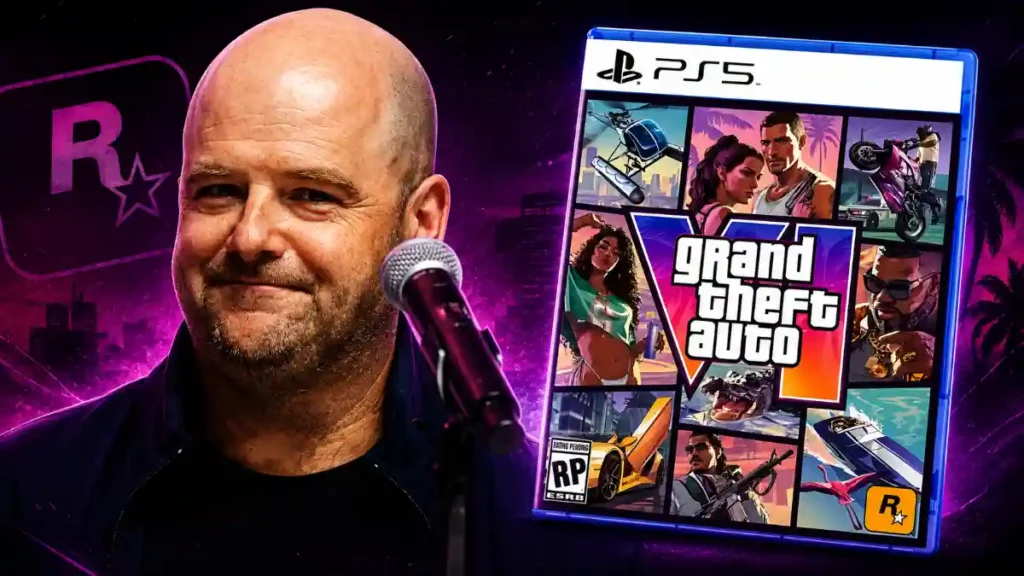
Rockstar co-founder Dan Houser recently made it clear that players should still have the option to buy physical games if that is what they prefer. Speaking at San Diego Comic-Con 2026, Houser and longtime collaborator Lazlow Jones shared their thoughts on the physical versus digital debate that continues to divide gamers. Their comments arrive at a moment when the industry is shifting hard toward digital-only releases, making the conversation especially relevant for anyone who still values a disc on the shelf.
Houser’s position was straightforward and consumer-focused. When asked about physical versus digital games, he explained that companies should keep offering physical media as long as real demand exists. He admitted he personally does not feel strongly about whether a game comes on disc or downloads straight to a hard drive. What mattered more to him was simple choice. If enough players still want a physical copy, publishers should make that option available rather than forcing everyone into digital stores. Fans quickly latched onto the remarks as support for keeping discs alive, yet Houser’s actual point stayed centered on giving people options instead of declaring one format the clear winner.
Consumer Choice Over Format Preference
Houser stressed that the decision should rest with players rather than studios or platforms alone. He framed the issue as one of reasonable access. As long as people continue to buy physical games, the industry has a responsibility to keep producing them. This measured stance avoids the extremes often heard in online debates and instead focuses on practical demand.
Lazlow Jones on the Tactile Appeal and Digital Convenience
Lazlow Jones offered a more balanced take that many players will recognize from their own lives. He still feels the tactile pull of opening a case, sliding a disc into a console, and knowing the game is right there in his hands. That physical ritual has never completely lost its appeal. At the same time, he openly values the convenience of digital. Jones specifically praised the ability to grab a game quickly while traveling, including downloading titles on a Steam Deck during a long flight. For him the two formats each bring something useful, and both can coexist without one needing to erase the other.
Why Portability Matters to Modern Players
Jones’s mention of the Steam Deck highlights how digital distribution has changed travel and on-the-go play. A single handheld device can hold an entire library that once required multiple cases and careful packing. This practical advantage explains why many gamers who still enjoy physical media also keep digital libraries for convenience.
Why These Comments Matter Right Now
These comments land squarely in the middle of a larger industry shift. Sony recently announced that physical disc games will be discontinued for PlayStation consoles starting in January 2028. That decision has intensified the debate, with some players celebrating cleaner digital libraries and others worrying about ownership, resale value, and the loss of offline access. Houser’s remarks have been read by many as quiet resistance to the total disappearance of physical media. In reality his stance was milder and more practical: keep offering discs while people still want them. It was less a battle cry against digital and more a defense of consumer choice.
A little extra context helps keep the comments in perspective. When Houser talked about loving physical media, the reference appeared to stretch beyond games into books and printed material in general. Both Houser and Jones now work at Absurd Ventures rather than Rockstar, so their personal views do not rewrite Rockstar’s current release plans or signal any sudden change in how future Grand Theft Auto or Red Dead titles will ship. Still, hearing two of the most influential voices from the studio’s golden era speak openly about the topic carries weight with fans who have followed their work for decades.
What Physical Games Still Offer Players
Physical releases continue to matter for clear, practical reasons. Players who care about true ownership like knowing the game cannot simply vanish from a digital storefront. Collectors enjoy building shelves of cases and limited editions. Resale markets still thrive when discs exist, and offline access remains possible even if internet service drops or servers go dark. Those advantages keep a dedicated group of gamers asking for physical copies year after year.
Ownership, Collecting, and Offline Access
The ability to hold a permanent copy, sell it later, or play without an internet connection remains important to a sizable part of the audience. These benefits explain why demand for physical games has not disappeared even as digital sales grow.
Digital releases bring their own strengths that are hard to ignore. Instant downloads, automatic updates, and the freedom to carry an entire library on a portable device like the Steam Deck make digital the more practical choice for many. Travel becomes simpler when you no longer need to pack cases or worry about scratched discs. Cloud saves and cross-device play further tilt the scale toward convenience for players who move between home consoles, handhelds, and PCs.
Convenience, Updates, and Portability
For many players the speed of digital delivery and the ease of keeping games updated outweigh the nostalgic appeal of a physical case. Both formats clearly serve different needs depending on lifestyle and preference.
Keeping Both Options Available
In the end the conversation is less about one format winning and more about whether publishers will keep both options on the table. Dan Houser’s call for continued availability of physical games and Lazlow Jones’s appreciation for digital convenience together paint a picture that feels realistic rather than extreme. As long as demand exists, the healthiest path forward is to let players decide for themselves whether they want a disc or a download. That kind of choice keeps the hobby flexible, respects different lifestyles, and ensures that no one is forced into a single way of buying and playing the games they love.
Hi there! I'm Khalid, your go-to guy for all things gaming, anime, and digital content. I'm a seasoned writer and blogger specializing in crafting engaging narratives and generating eye-catching images and media for these vibrant worlds.When I'm not immersed in virtual adventures or conjuring up captivating visuals, you'll likely find me enjoying the company of fellow enthusiasts.