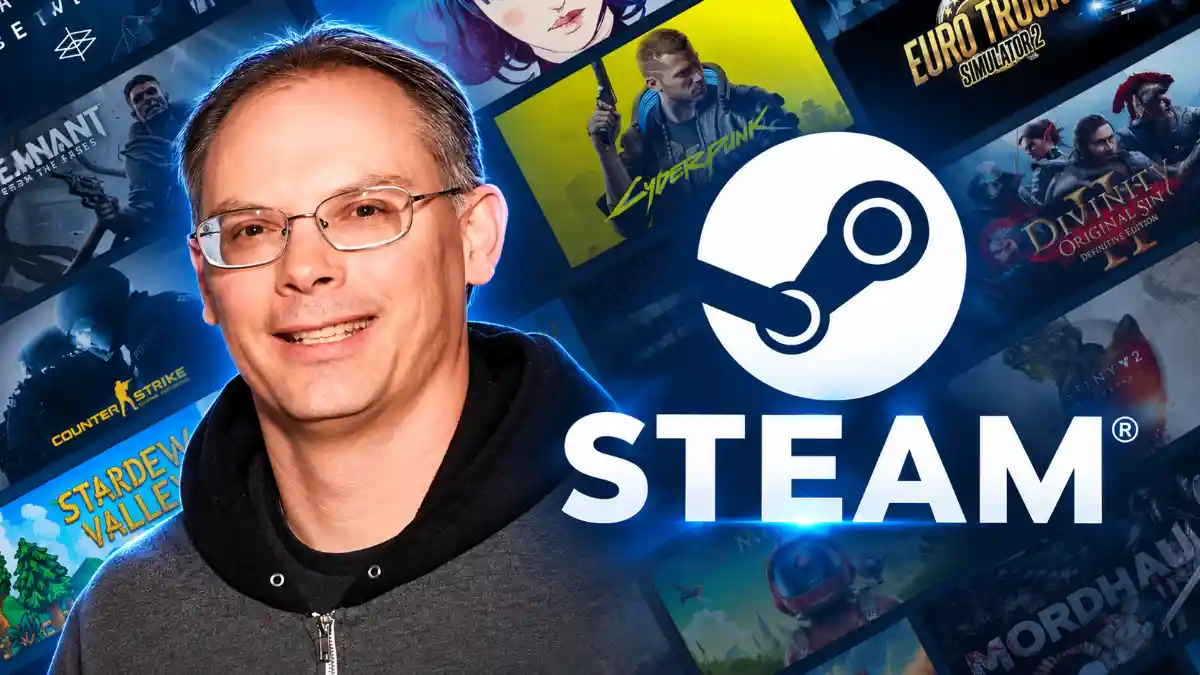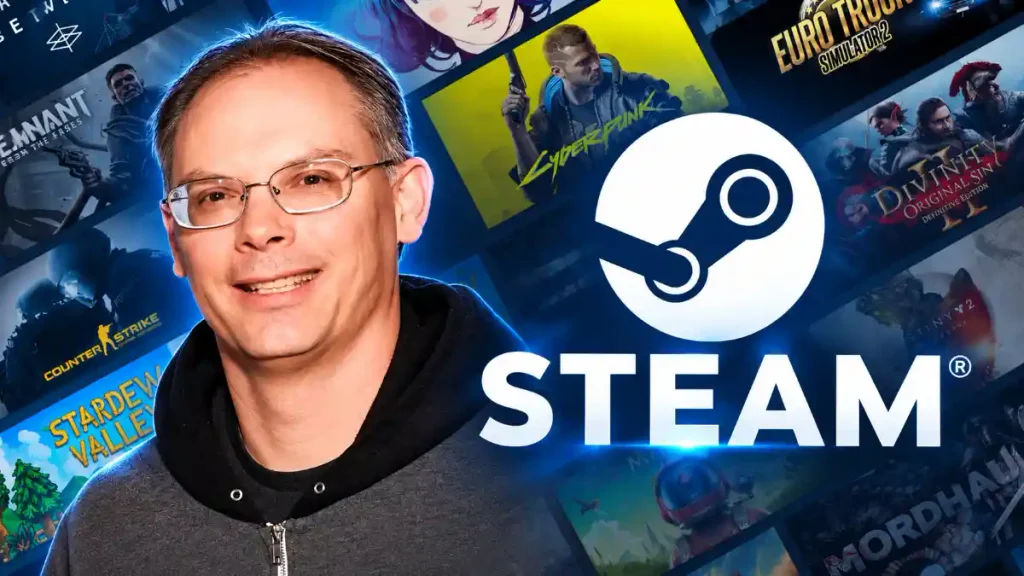
Epic Games CEO Tim Sweeney has accused Valve of holding gaming back through Steamworks, arguing that its social features keep players inside a closed ecosystem. His comments followed criticism of Steam’s 30% revenue cut from former Epic Games programmer Kiaran Ritchie.
The discussion quickly turned into a debate about cross-platform support. A Community Note challenged Sweeney’s argument, and the Epic boss responded by calling it “fake.” He said the networking technology raised in the debate did not address his complaint about players communicating across platforms.
The key distinction is between connecting players to the same game and giving them shared social features across different platforms. Valve’s documentation confirms that its networking technology can support players outside Steam, but Sweeney’s criticism focuses on the wider social experience.
What Did Tim Sweeney Say About Valve?
Sweeney joined a discussion on X about Steam’s business model and the services Valve provides to developers. Supporting Ritchie’s criticism, he wrote:
“Valve has held gaming back for years by locking developers’ PC games into Steamworks’ social walled garden where players can’t talk to other players on iOS, Android, Xbox, PlayStation, Switch, or even other PC stores.”
His criticism focused on what he described as a “social walled garden.” In this context, that means social features operating within one platform’s ecosystem instead of providing a shared experience across competing platforms.
Sweeney’s complaint goes beyond whether people can join the same multiplayer match. He is questioning how easily players can stay connected when they use different consoles, mobile devices, or PC storefronts.
However, Steam’s networking tools do support cross-platform connections under certain conditions. The disagreement is about how far that support extends and whether it addresses the social barriers Sweeney describes.
How Kiaran Ritchie Started the Discussion
The exchange began with Kiaran Ritchie, a former principal animation programmer at Epic Games. Ritchie criticized Steam’s 30% revenue cut and argued that developers should retain more of the money their games earn.
He also made a more provocative claim:
“You could vibe code a Steam alternative in a week.”
Ritchie argued that Steam’s main advantage was its network. He also questioned why developers could not pay separately for individual Steamworks services instead of accepting the platform’s revenue-sharing model.
His comments introduced two different questions. The first was whether Steam offers enough value to justify its cut. The second was how difficult it would be to build a competing service.
A storefront interface is only one part of that comparison. Steamworks also includes services such as matchmaking, achievements, leaderboards, and multiplayer tools. Creating a store client would not automatically recreate that wider collection of features.
Ritchie’s one-week claim did not include a demonstration of a complete Steam competitor. It was part of his criticism of the platform’s business model, rather than the announcement of a finished alternative.
Why Sweeney Called the Community Note “Fake”
A Community Note on the exchange challenged the idea that developers are trapped inside Steamworks. It stated:
“Nobody is forced to use Steamworks. A lot of games use Steamworks only for authentication to allow for crossplay and do the rest themselves.”
Sweeney rejected the correction and referred to Steam Datagram Relay, Valve’s networking service:
“Fake community note. Steam Datagram relay isn’t related to the things I cited: social, and players talking to each other across platforms.”
His response narrowed the disagreement. Sweeney maintained that support for cross-platform networking did not answer his criticism of Steam’s social ecosystem.
He later acknowledged that developers are not literally forced to use Steamworks, while continuing to argue that avoiding it is impractical.
That makes his position an argument about developers’ reliance on Steam’s ecosystem, rather than a claim that every developer is formally required to use all of its services.
What Valve’s Documentation Says About Cross-Platform Support
Valve describes Steam Datagram Relay, or SDR, as its “virtual private gaming network.” It routes game traffic through Valve’s network and relays, helping protect players and servers by keeping their IP addresses hidden.
The service supports both peer-to-peer connections and dedicated servers. Valve also has a section in its documentation explaining how SDR can work with other platforms and stores.
Players outside Steam can access the relay network in many cases, provided the game meets certain conditions. These include:
- Having a version of the game shipping on Steam.
- Applying requested bug fixes or security updates within a reasonable period.
- Providing a matchmaking service that can issue the necessary authentication credentials.
- Accepting that Valve does not guarantee continued relay availability for non-Steam players.
Developers also need to contact Valve about the relevant software development kits and additional conditions. Cross-platform access may not be available to every partner or game.
Steam Datagram Relay is therefore not limited to connecting Steam users. However, using it outside Steam involves requirements and additional development work.
Crossplay and Social Features Solve Different Problems
Cross-platform multiplayer and cross-platform social features are connected, but they are not interchangeable.
Networking tools help carry game traffic between players and servers. A social system handles features such as player identities, friends lists, invitations, and communication.
A game can support players joining the same match without offering a fully shared social experience across every platform.
Valve’s documentation also explains that players using clients on other platforms will not sign into Steam. Developers must therefore provide some services for those players that Steam supplies for Steam users.
That is where the debate becomes more complicated. Valve provides a route for cross-platform networking, but developers still need to consider how players outside Steam will access other parts of the experience.
Sweeney’s criticism focuses on that wider connection between players, while the Community Note challenges the suggestion that developers cannot use other solutions alongside Steamworks.
Why Epic’s Own Services Matter to the Debate
Epic is not approaching this issue only as a critic of Valve. The company also offers Epic Online Services, which provides social and matchmaking tools that can operate outside the Epic Games Store.
That gives Epic its own stake in the discussion. Sweeney is criticizing a competing ecosystem while his company offers another approach to connecting players across platforms.
The existence of an alternative does not automatically prove that Steam’s approach is wrong. It does explain why the debate includes both technical questions and competition between two companies offering services to game developers.
For developers, the practical question is how much their game should depend on a particular platform’s tools and how much they should build or obtain elsewhere.
Related:Steam Deck LCD Battery Price Hits $179.99, While the Bigger OLED Battery Stays at $79.99
What This Means for Steam Players
The exchange is not an announcement that crossplay is being removed or that Steam’s existing services are changing. It is a public disagreement about Valve’s business model and the role Steamworks plays in connecting players.
For players, the most relevant issue is whether a game makes it easy to find friends, send invitations, communicate, and play together across different platforms.
Valve’s documentation confirms that its networking technology can support players outside Steam under specific conditions. Sweeney argues that this does not fully address the social barriers between platforms.
His claim that Valve has “held gaming back for years” remains his assessment. The central disagreement is whether Steam’s social ecosystem does enough to connect players beyond its own platform not simply whether cross-platform multiplayer is possible.