Palworld’s Bucky says a game should not automatically lose its indie status because an outside publisher or investor helped it succeed. John “Bucky” Buckley, head of publishing and communications at Pocketpair, argues that creative freedom matters more than the presence of external support. Pocketpair develops Palworld, a survival game built around collecting creatures called Pals. His comments raise a question for players: should independence be judged by who helps fund or promote a game, or by who decides what gets made?
Buckley argued in an October 29, 2026, post that publishers and investors do not automatically make a studio less independent.
He believes outside interference in creative decisions is a stronger reason to question indie status.
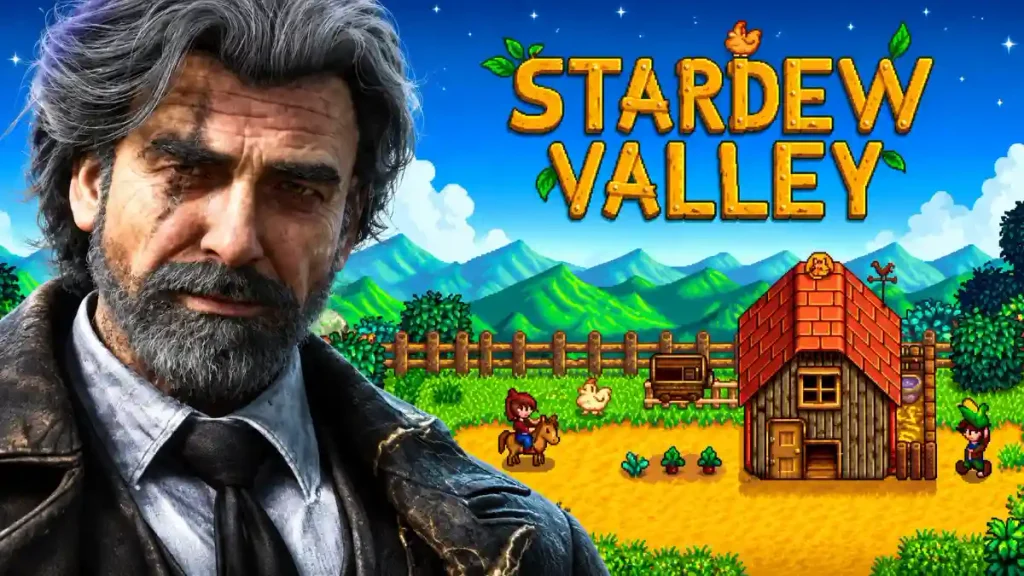
GamesRadar+ reported his replies citing Clair Obscur: Expedition 33 and Stardew Valley as examples.
Buckley says Pocketpair remains entirely self-owned and self-funded.
The distinction is simple: receiving help is not necessarily the same as giving up control. Buckley’s argument focuses on whether developers remain free to make their own creative decisions, rather than treating every publishing relationship as proof that a game is no longer indie.
What Palworld’s Bucky Said About Indie Games
In his October 29 post on X, Buckley responded to a Japanese article discussing Pocketpair’s continued use of the indie label. He acknowledged that the company’s success makes some people see it differently.
However, he questioned whether team size or commercial success provides a useful dividing line.
“For me, creative independence is probably the most important factor,” Buckley wrote. “If a studio has genuine creative freedom, then I think it’s fair to consider them independent.”
His position does not mean that outside involvement never matters. Instead, he drew a distinction between support that preserves a developer’s freedom and involvement that takes that freedom away.
“If another entity is exerting creative pressure or making decisions for a studio, then I think that independence becomes questionable,” he said.
Buckley also pointed out that developers can receive external funding without losing control over their work. His conclusion was direct: “I don’t think having a publisher or investor automatically makes a studio any less indie.”
That is the central point of his argument. A publisher’s involvement should prompt a closer look at the relationship, rather than settle the question on its own.
Why Expedition 33 and Stardew Valley Entered the Discussion
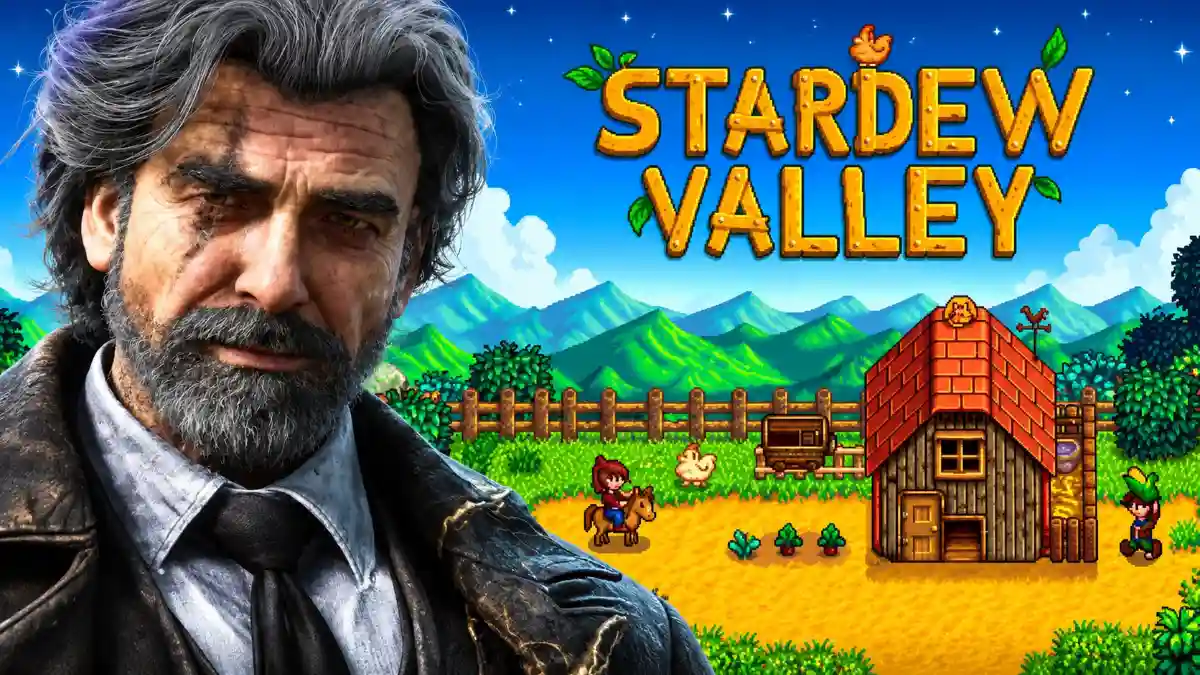
Clair Obscur: Expedition 33 and Stardew Valley became examples of how difficult that distinction can be.
In a report published on November 2, GamesRadar+ quoted Buckley questioning whether help with promotion should be enough to remove a game from the indie category.
“Is it really fair to say E33 isn’t indie just because someone helped with marketing?” he asked.
He then raised Stardew Valley as a comparison: “Can we really say ‘Stardew [Valley] isn’t indie because Chucklefish helped out with some marketing years ago?’”
Both examples support his broader objection to using outside assistance as an automatic disqualifier. Under his approach, the important follow-up question is whether that assistance changed who controlled the game’s creative direction.
There is an important limit to these remarks, though. Buckley’s examples should not be read as a complete account of either game’s publishing arrangements. His comments do not establish that marketing was the only service provided, nor do they reveal the full terms of any agreement.
GamesRadar+ also reported his short summary of the issue: “Creative control is king.”
As of November 2026, these remarks represent Buckley’s view of the indie debate. They are not a newly introduced classification system or an announcement changing how games qualify for awards.
Why Pocketpair Still Calls Itself Indie
Buckley also explained why Pocketpair continues to use the label for itself.
According to his post, both Pocketpair and Palworld are entirely self-funded. He described the company as “100% self-owned” and said it has no outside investors to answer to.
For Buckley, that ownership structure matters because it allows the studio to decide which games it wants to make.
He acknowledged that some people would point to Pocketpair’s size or the money Palworld has earned as reasons to reject the indie description. However, he argued that those measures do not change the company’s creative freedom.
That creates two separate questions: how large or successful a studio has become, and how independently it operates. Buckley’s position is that the first does not automatically determine the second.
He was also relaxed about alternative labels.
“If you’d rather call us iii or AA, that’s fine too!” he wrote, before saying that making fun games matters more than the label itself.
These ownership and funding details are Pocketpair’s position as stated by Buckley. They should not be confused with an independent examination of the company’s finances.
His approach asks players to look beyond a publisher’s name and consider who holds creative authority. A developer receiving outside assistance could still meet his definition if it retains genuine freedom over the game.
The reverse also applies. A small studio’s independence becomes less clear, in his view, if another company is making its creative decisions.
That does not mean budgets, resources, or team sizes are irrelevant to every discussion. Those factors answer different questions about how a game was produced and how its circumstances compare with other projects.
The important distinction is between describing a studio’s scale and describing its freedom. Buckley is arguing against treating them as interchangeable.
For players, his comments offer context rather than a change to any game. They do not announce new Palworld content, alter Expedition 33, or change Stardew Valley. The news is his position on how the industry describes developers and their work.